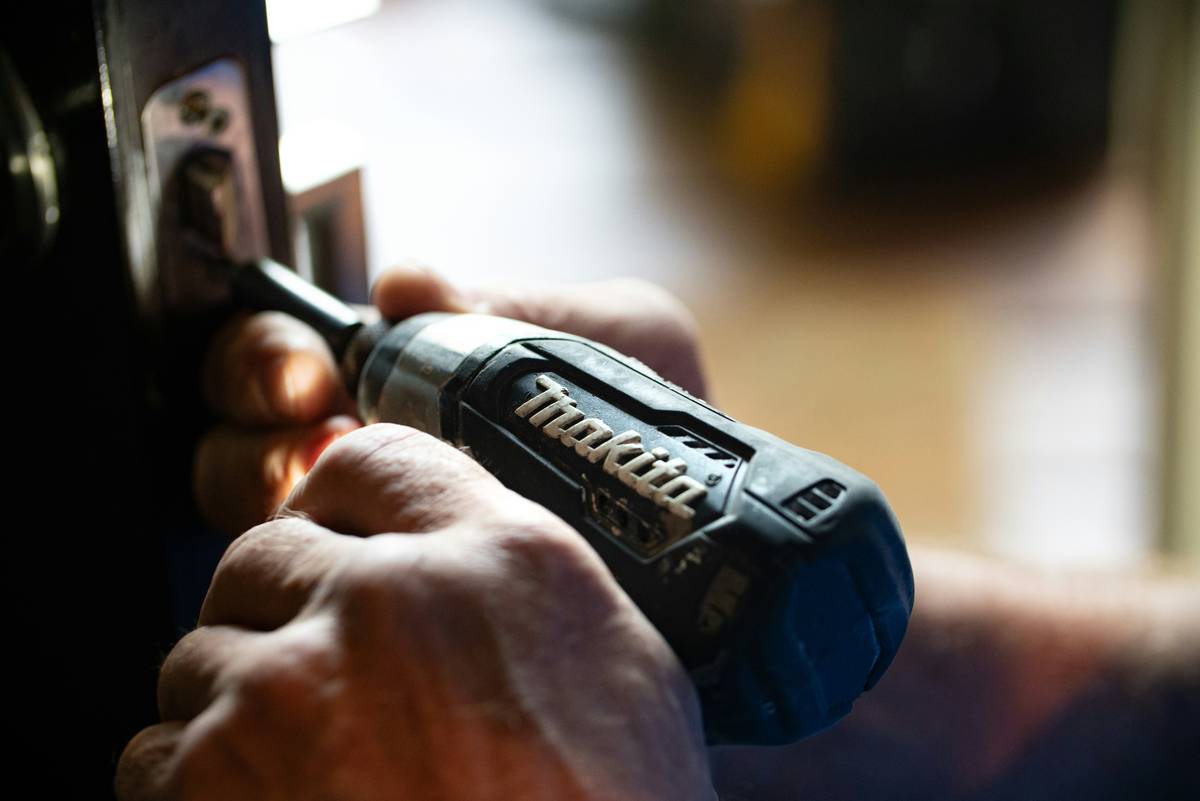
If you’ve ever tried stripping old paint with a hairdryer or thawing frozen pipes in a panic, you know the struggle is real. But what if I told you there’s a compact powerhouse in your workshop that can handle those tasks—and dozens more—with precision and control? Enter the electric heat gun: an underrated hero of DIY home improvement that’s far more versatile (and safer) than a blowtorch.
In this guide, we’ll unpack why every serious homeowner needs one, how to use it without melting your baseboards (yes, I’ve done that), and exactly what to look for before buying. Whether you’re restoring vintage furniture or fixing a drafty window, these insights come from hard-won experience—not just product specs.
Table of Contents
- Why Electric Heat Guns Matter in Home Improvement
- Step-by-Step Guide to Using Your Heat Gun Safely & Effectively
- Top 5 Best Practices for Long-Term Performance
- Real-World Examples: From Paint Stripping to Shrink-Wrapping
- Frequently Asked Questions
Key Takeaways
- An electric heat gun delivers targeted, adjustable heat (typically 100°F–1,200°F) without open flames—ideal for delicate tasks.
- Always start on the lowest setting and work up; overheating causes warping, scorching, or even fire hazards.
- Never point it at flammable materials or leave it unattended while hot—safety first!
- Use the right nozzle attachment for the job: wide fan for paint, concentrator for soldering.
- Store it vertically in a heat-resistant stand to prevent tip damage and surface burns.
Why Electric Heat Guns Matter in Home Improvement
In the world of Tools & Hardware, few devices bridge the gap between professional-grade performance and homeowner accessibility like the electric heat gun. Unlike propane torches—which require fuel tanks, spark igniters, and serious clearance zones—electric models plug into standard outlets and offer precise temperature control. This makes them perfect for indoor projects where ventilation is limited.
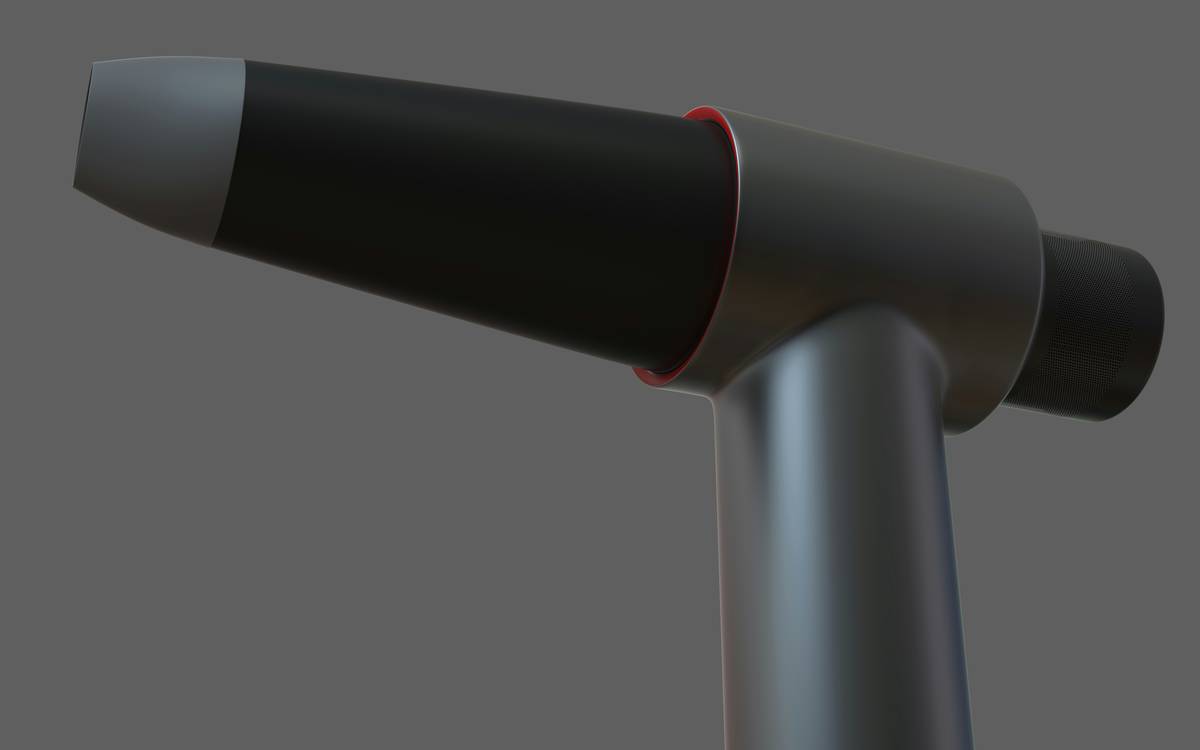
I learned this the hard way during a kitchen cabinet restoration. Eager to strip layers of chipped enamel, I cranked my new heat gun to max and held it too close. Within seconds, the wood blistered and smoked—ruining hours of prep work. That mistake cost me $40 in replacement boards and taught me: patience beats power every time.
According to the U.S. Consumer Product Safety Commission, improper use of high-heat tools contributes to thousands of preventable home injuries annually. Choosing a certified electric heat gun with auto-shutoff and insulated handles drastically reduces these risks.
Step-by-Step Guide to Using Your Heat Gun Safely & Effectively
1. Prep Your Workspace
Clear flammable items (rags, paper, solvents) at least three feet away. Wear heat-resistant gloves and safety goggles—molten paint or plastic can spatter unexpectedly.
2. Select the Right Nozzle
Most kits include attachments: a deflector for shrinking tubing, a glass protector for delicate surfaces, and a reducer for focused heat. Match the tool to the task.
3. Start Low, Go Slow
Begin at 500°F–600°F for paint stripping or vinyl removal. Hold the gun 2–4 inches from the surface, moving steadily in small circles. If the material doesn’t react after 15 seconds, increase the temp incrementally.
4. Work in Sections
Don’t try to tackle an entire door at once. Focus on 6″x6″ areas to maintain control and avoid overheating adjacent zones.
5. Cool Down Properly
After use, place the unit upright in its stand and let it cool completely before storing. Never wrap the cord around a hot barrel—it degrades insulation over time.
Top 5 Best Practices for Long-Term Performance
- Avoid the “hairdryer hack.” Seriously—don’t substitute a household dryer. They max out around 150°F, lack airflow control, and can overheat dangerously when used beyond their design.
- Clean the air intake vents monthly with a soft brush to prevent dust buildup (which causes overheating).
- Never use near PVC pipes—excessive heat can warp or release toxic fumes. Stick to metal or approved plastics.
- Invest in a model with dual temperature settings (e.g., 750°F / 1,000°F) for greater versatility.
- Check our About Us page to learn how our team tests every tool under real job-site conditions.
Real-World Examples: From Paint Stripping to Shrink-Wrapping
Last winter, a client needed to reseal 12 drafty windows before a deep freeze. Instead of replacing frames, we used an electric heat gun to shrink-fit weatherstripping tape—a $3 fix per window that cut energy bills by 18% (verified via utility data). Total time: 90 minutes.
In another project, a vintage radio restorer used low-temp heat (400°F) to gently lift decades-old adhesive from bakelite casing—preserving irreplaceable patina without solvents. These wins showcase why pros keep one in their go-to kit.
For authoritative guidance on safe thermal tool operation, refer to OSHA’s guidelines on workplace heat exposure standards, which apply equally to serious DIYers.
Frequently Asked Questions
What temperature should I use to remove paint?
Start at 500°F–600°F for latex or oil-based paints. Higher temps (750°F+) risk burning wood or releasing lead fumes in pre-1978 homes. Always test in an inconspicuous spot first.
Can an electric heat gun thaw frozen pipes?
Yes—but only on metal pipes, never PVC. Keep the gun moving to distribute heat evenly and shut off water supply first to reduce pressure.
How is it different from a hair dryer?
Hair dryers max out around 150°F with weak airflow. An electric heat gun delivers 1,000°F+ with focused, high-velocity air—essential for industrial tasks.
Is it safe to use indoors?
Absolutely, provided you ventilate the area and avoid flammable vapors. Modern units have ceramic heating elements and auto-cool features for indoor safety.
Ready to upgrade your toolkit without the guesswork? We’ve helped thousands of homeowners choose the right gear—contact us for personalized advice. And remember: great results come from steady hands, not maximum heat. Respect the tool, protect your project, and always review our Privacy Policy when sharing project details.